Growing Older Should Never Mean Growing Alone
Old age is a natural and inevitable part of life. It is a stage when a person deserves peace, dignity, companionship, security, and the opportunity to live with happiness. After spending decades caring for families, building careers, serving society, and fulfilling responsibilities, senior citizens should be able to enjoy the later years of their lives with respect and contentment.
Unfortunately, the reality is often very different.
At the fag end of life, many senior citizens face challenges that are not always visible to the outside world. Some struggle with loneliness, declining health, financial insecurity, neglect, loss of independence, or the absence of meaningful companionship. Others may have dreams they have carried for years but never had the opportunity to fulfil.
These difficulties remind us that caring for senior citizens is not merely a family responsibility. It is a responsibility shared by society as a whole.
1. Loneliness and Social Isolation
One of the greatest challenges faced by senior citizens is loneliness.
As people grow older, their social circles may gradually become smaller. Friends may pass away, children may move to distant places, and professional and social responsibilities may disappear after retirement. A person who was once surrounded by colleagues, friends, neighbours, and family may suddenly find long periods of the day passing in silence.
Loneliness can be particularly painful when a senior citizen feels that nobody has the time to listen to their thoughts, memories, concerns, or experiences.
Sometimes, all that an elderly person needs is someone to sit beside them, listen to them, and say:
“You are not alone.”
2. Neglect Within Families
Family relationships are precious, but changing lifestyles and increasing responsibilities can sometimes result in elderly parents or relatives receiving less attention than they deserve.
Senior citizens may feel ignored when family members are too busy with work, education, financial commitments, or their own personal lives. Even when basic physical needs are met, emotional needs may remain unaddressed.
Providing food and shelter is important, but caring for an elderly person also means providing time, respect, affection, patience, and companionship.
3. Declining Health and Medical Concerns
Ageing often brings changes in physical strength and health.
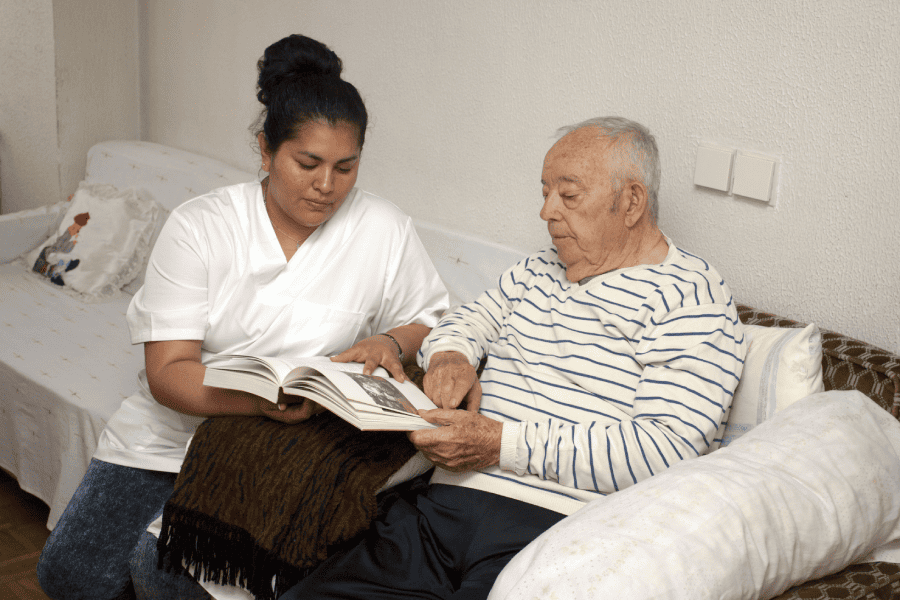
Senior citizens may face mobility problems, chronic illnesses, reduced eyesight or hearing, difficulty travelling, and the need for regular medical attention. Managing medicines, hospital visits, medical expenses, and day-to-day health requirements can become increasingly difficult.
For seniors living alone, even a minor health problem can become a major concern.
What may be a simple task for a younger person—travelling to a hospital, obtaining medicines, completing a form, or attending an appointment—can become a significant challenge for an elderly person.
4. Financial Insecurity
Financial security is another important concern in old age.
Not every senior citizen has a stable pension or sufficient savings. Some depend on family members or others for their daily needs. Rising costs of healthcare, medicines, food, housing, and other necessities can add to their worries.
Financial dependence can sometimes affect a person’s sense of independence and self-worth.
Every senior citizen deserves the assurance that their basic needs can be met without having to live in constant fear about tomorrow.
5. Loss of Independence
For many people, independence is closely connected with dignity.
As physical strength decreases, senior citizens may gradually become dependent on others for travelling, shopping, banking, healthcare, household activities, or even personal care.
This dependence can be emotionally difficult.
It is therefore important to support seniors without unnecessarily taking away their independence. Wherever possible, they should be encouraged and enabled to make their own choices, participate in decisions, and remain active members of society.
6. Emotional and Mental Stress
Senior citizens may carry many emotions that they do not openly express.
They may worry about their health, finances, children, grandchildren, future, or the possibility of becoming a burden on others. The loss of a spouse or close friends can create a deep sense of emptiness.
Some seniors may also hesitate to speak about their difficulties because they do not want to trouble their family members.
Their silence should not be mistaken for the absence of problems.
Sometimes, behind a quiet smile is a lifetime of unspoken feelings.
7. Loss of Purpose After Retirement
Retirement brings freedom from professional responsibilities, but it can also create a feeling of emptiness.
A person who spent forty or more years working, managing responsibilities, meeting people, and contributing to society may suddenly find that there is nowhere they need to be and nothing they are expected to do.
This can lead to a loss of purpose.
Senior citizens need opportunities to remain engaged—to share their knowledge, participate in social activities, pursue hobbies, meet friends, travel, learn new things, and contribute to their communities.
Age should never be treated as the end of usefulness.
8. Unfulfilled Dreams
Many senior citizens have dreams that they postponed throughout their working lives.
They may have wanted to travel by train to a distant destination, take an airplane journey, travel by ship, visit a place they always dreamed about, attend a cultural programme, sing on a stage, learn something new, or simply spend time with people who share their interests.
Family responsibilities and financial limitations may have prevented these dreams from becoming reality.
The later years of life should not be a time when dreams are permanently put aside.
There is still time to create memories.
9. Lack of Companionship
Human beings need companionship at every age.
For senior citizens, friendship can become especially important when children are away, spouses are no longer present, or daily social interactions have reduced.
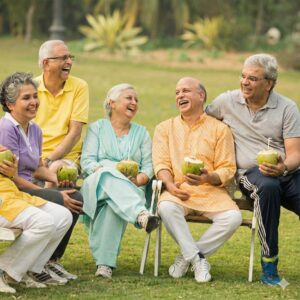
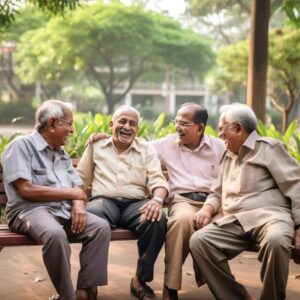
A gathering, a conversation over tea, a song, a game, a trip, or simply sharing laughter with friends can bring enormous happiness.
Community organisations have an important role to play in creating such opportunities.
10. Difficulty Accessing Information and Assistance
Modern life is becoming increasingly digital.
Banking, government services, hospital appointments, registrations, payments, travel bookings, and many other services are now accessed through smartphones and computers.
For some senior citizens, navigating these systems can be difficult. They may need guidance, patience, and someone they can trust.
Senior citizens should never feel excluded simply because technology has changed faster than they have been able to adapt.
11. Fear of Becoming a Burden
Perhaps one of the most painful feelings an elderly person can experience is the fear of becoming a burden on others.
They may hesitate to ask for help even when they genuinely need it.
They may hide financial difficulties, health concerns, loneliness, or emotional pain because they do not want their children or relatives to worry.
We must create an environment where asking for help is not considered a weakness.
Needing support in old age is not a failure. It is part of being human.
12. Elder Abuse and Exploitation
Unfortunately, some senior citizens may also experience verbal, emotional, physical, or financial abuse.
Vulnerability can increase when an elderly person is dependent on others for care, finances, transportation, or daily activities.
Society must remain alert to signs of neglect and abuse and ensure that senior citizens know where they can seek assistance.
Every older person has the right to live safely and with dignity.
What Can We Do?
The challenges facing senior citizens cannot be solved by one individual or one organisation alone.
Families, neighbours, communities, voluntary organisations, government institutions, and society must work together.
We can begin with simple actions:
- Spend time with senior citizens.
- Listen to them without rushing.
- Encourage friendships and social interaction.
- Help them remain physically and mentally active.
- Assist them when they need guidance.
- Respect their opinions and decisions.
- Encourage them to pursue their interests and dreams.
- Include them in family and community activities.
- Watch for signs of neglect, loneliness, or abuse.
- Help them access appropriate support when necessary.
- Celebrate their experiences, knowledge, talents, and achievements.
Most importantly, we should never make an elderly person feel that their life has lost its value.
A Society That Cares for Its Elders Is a Society That Cares for Its Future
Senior citizens are not merely people who have grown old.
They are parents, grandparents, teachers, professionals, workers, artists, soldiers, farmers, entrepreneurs, homemakers, community builders, and citizens who have contributed to the society in countless ways.
The comforts and opportunities enjoyed by younger generations have often been made possible by the sacrifices of those who came before them.
Therefore, the evening of life should not be filled with loneliness, fear, or neglect.
It should be filled with respect, friendship, laughter, meaningful activities, memorable journeys, music, celebration, and companionship.
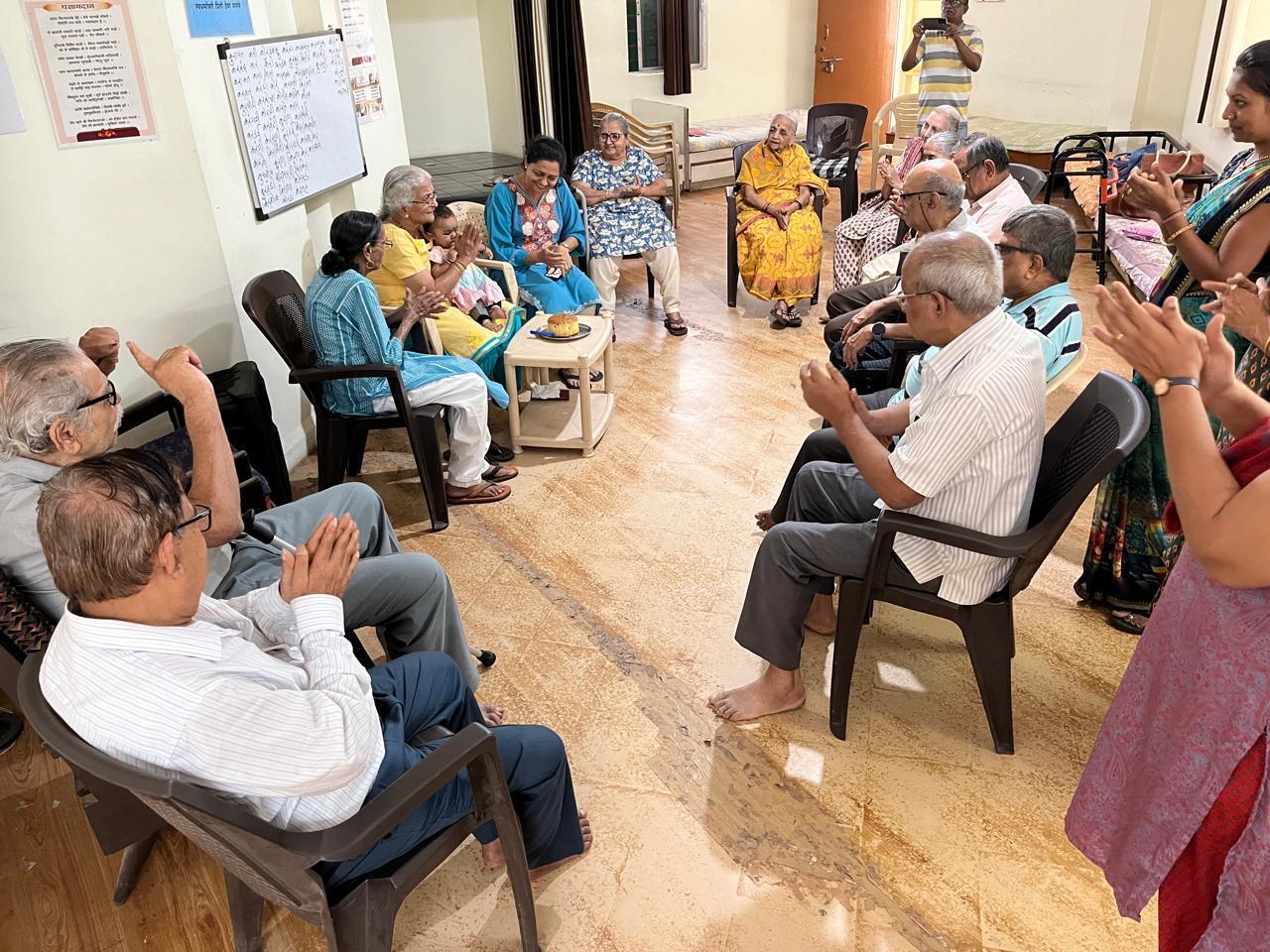
At Ananthapuri Senior Citizens Charitable Society (ASCCS), we believe that no citizen above sixty should be left alone and that happiness should not be postponed simply because a person has grown older.
Our approach is simple:
“You Inform – We Act – Without Limits.”
We believe in creating opportunities for senior citizens to remain connected, active, happy, and respected. Through companionship, social gatherings, cultural programmes, music, sports, travel experiences, welfare initiatives, and support, we strive to make the later years of life more meaningful.
Because ageing is not the end of life.
It is another chapter of life—one that deserves to be lived with dignity.
Helping Each Other in the Evening of Life
Let us build a society where every senior citizen can say:
“I am respected. I am valued. I am heard. I am cared for. I am not alone.”
No Elder Should Be Left Alone.